Physiotherapy for Chronic Back Pain Relief
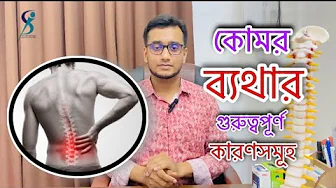
Chronic back pain is one of the most common health concerns worldwide. When pain lasts for more than 12 weeks despite rest or basic treatment, it is called chronic. It not only limits mobility but also affects work, sleep, and overall lifestyle. Physiotherapy for chronic back pain relief provides a safe and drug-free way to manage this discomfort.
What Causes Chronic Back Pain?
Several factors can trigger long-term back pain. Poor posture, muscle weakness, slipped discs, arthritis, or past injuries are the most common reasons. In many cases, a sedentary lifestyle makes the condition worse. Identifying the root cause is the first step to recovery.
Common Symptoms You Shouldn’t Ignore
Back pain that continues for weeks, stiffness in the lower spine, tingling in the legs, or sharp pain during movement are warning signs. Ignoring these symptoms may lead to long-term complications. Early treatment with physiotherapy can prevent the pain from getting worse.
Why Physiotherapy Works for Chronic Back Pain Relief
Physiotherapy is not just about exercises. It focuses on correcting body mechanics, strengthening weak muscles, and improving posture. With hands-on techniques, targeted stretches, and guided workouts, physiotherapy for chronic back pain relief addresses both symptoms and underlying causes.
Role of Physiotherapy in Long-Term Pain Management
Unlike painkillers that provide short-term comfort, physiotherapy ensures lasting results. Regular sessions help strengthen muscles, improve spine stability, and restore flexibility. This makes the back more resistant to future injuries.
Benefits Beyond Pain Relief: Mobility & Lifestyle
One of the biggest advantages of physical therapy is improved mobility. Patients often report better flexibility, stronger core support, and improved balance. It also helps in building confidence, reducing stress, and enabling a more active lifestyle.
Expert Guide for Chronic Back Pain Relief
At SK Physio BD, professional physiotherapists use a personalized approach. Every patient receives a treatment plan based on their medical history, pain intensity, and lifestyle. This ensures maximum effectiveness and faster recovery.
Tips from Experts to Manage Daily Discomfort
- Maintain a correct sitting posture.
- Avoid lifting heavy objects improperly.
- Take regular breaks from sitting.
- Practice light stretching throughout the day.
- Stay hydrated and maintain a healthy weight.
These simple tips, combined with physical therapy, make pain management easier and more effective.
Physiotherapy Exercises for Chronic Back Pain Relief
Some common exercises include:
- Pelvic tilts – strengthen lower back muscles
- Knee-to-chest stretches – reduce tension in the spine.
- Cat-cow stretch – improve flexibility and posture
- Bridge exercise – strengthen core and glutes.
These exercises should always be performed under a physiotherapist’s guidance to avoid strain or injury.
When to Seek Professional Help
If pain persists beyond 12 weeks, affects daily activities, or is accompanied by numbness or weakness, professional physiotherapy is essential. At SK Physio BD, our expert team provides advanced care to restore mobility and ensure long-term back health.
Frequently Asked Questions (FAQs)
How does physical therapy help with chronic low back pain?
Physical therapy strengthens muscles, improves posture, and restores flexibility to reduce long-term pain naturally.
Can physiotherapy completely cure chronic pain?
While not always a permanent cure, it significantly reduces pain and prevents further damage.
How long does it take to see results from physiotherapy?
Most patients notice improvements within 3–6 weeks of regular sessions.
Is physiotherapy safer than medication for lower back pain?
Yes, physiotherapy provides a natural, drug-free, and side-effect-free solution for managing pain.
What kind of exercises are best for low back pain?
Stretching, strengthening, and posture-correcting exercises designed by a physical therapist are most effective.
Do I need a doctor’s referral for physiotherapy?
In most cases, you can visit a physiotherapist directly without a referral.